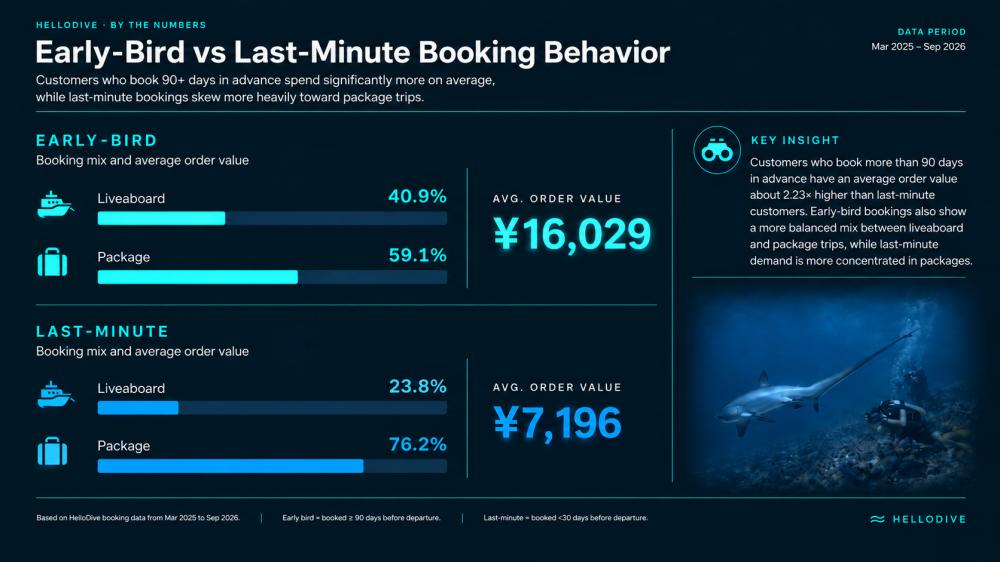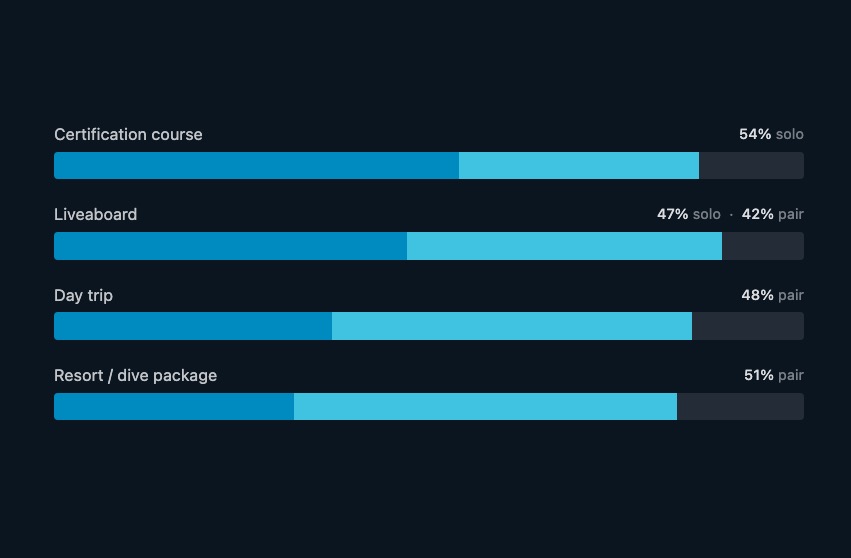
China’s National Golden Week once again highlighted the scale and strength of holiday-driven travel demand. According to the China National Immigration Administration, the 2025 eight-day National Day and Mid-Autumn break recorded 9.165 million cross-border movements, alongside 888 million domestic trips, which reinforces a long-standing pattern: China’s long holidays create highly concentrated surges in travel consumption.
For the dive industry, these holiday effects are even more pronounced. Since China lacks domestic destinations suitable for multi-day dive holidays, divers naturally look overseas during long breaks. Our platform’s booking data consistently shows that the National Golden Week is one of the busiest outbound periods for Chinese divers each year.
More importantly, Golden Week is not the only peak. Chinese New Year (Jan–Feb), Labour Day (May), and the October Golden Week together form the three core long-holiday windows that shape the annual dive travel cycle. Planning around these three periods is essential for capturing the strongest waves of outbound demand.
This article provides overseas destinations, liveaboards, resorts, and dive operators with a clear view of:
traveller profiles and booking patterns across the three major long holidays
the types of destinations most preferred by Chinese divers during each period
and how early product planning and pre-holiday marketing can convert these three annual demand peaks effectively
Chinese New Year
Chinese New Year (CNY) is the most important traditional festival in China, usually falling between late January and mid-February. The official break lasts 7 days, but with 2-3 days of annual leave, travellers can extend it to around 10 days. This makes CNY one of the most favourable periods for higher-budget, long-distance travel, and many families now choose to “travel for the New Year” as a way to celebrate together abroad.
CNY dive travel shows very clear holiday-peak patterns: travellers plan much earlier than usual - often beginning searches and inquiries up to six months in advance - and typically look for warm, flight-reliable destinations with comfortable, family-friendly accommodations. Groups are usually made up of family members or close friends, with strong emphasis on space, privacy, food quality, and a smooth, hassle-free experience. Rather than rushing through multiple stops, CNY travellers may prefer one well-equipped resort base where they can dive, relax, and spend time together.
Product Recommendations
1. Highlight family room types
Given the high proportion of family travel, emphasise two-bedroom villas, rooms with living areas, or family suites. These layouts allow guests to gather, dine, and relax together, building a more enjoyable and festive holiday atmosphere.
2. Integrate light CNY elements
Without making it feel overly commercial, offering simple touches, like symbolic reunion dishes (dumplings, tangyuan, or a New Year’s Eve dinner set), modest festive decorations, or a small welcome gift. This will help guests feel the holiday spirit even when abroad.
3. Create long-stay packages
CNY travellers prefer slow-paced, relaxing holidays. This is an ideal time to offer 7–12-day stay-and-dive packages that combine diving, resort activities, and family-friendly experiences in one destination. Minimising transfers and hotel changes makes the trip smoother and more enjoyable for families.

International Labour Day (May Day)
May Day is one of China’s earliest statutory long holidays, taking place every year on 1 May and forming a fixed five-day break. It sits at the transition from late spring to early summer and has become a classic window for “short, high-efficiency travel” among urban youth. Because it follows closely after CNY and offers limited time, May Day travel places strong emphasis on convenience, time efficiency, and value for money. Direct flights, compact itineraries, and competitive pricing all heavily influence decision-making.
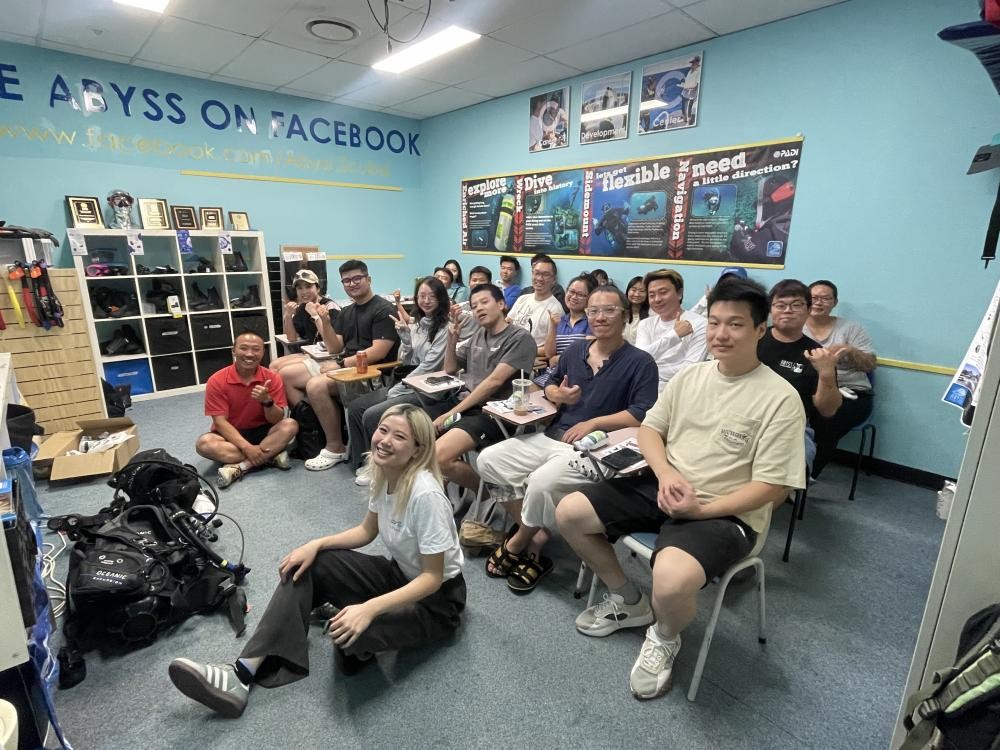
Dive travel during this period leans strongly toward short, focused trips where travellers want to maximise diving within a limited timeframe. Destinations with short flight times, easy connections, and dense clusters of dive sites are especially popular. This is also a peak period for certifications and short skill-upgrade courses, as the holiday length fits well with entry-level or specialty training.
Product Recommendations
1. Launch short-duration dive packages
Packages built around 3-4 nights align well with the May Day rhythm. Increase daily dive density, such as offering three dives per day or night dives, so guests get a full experience despite the short stay.
2. Promote certification or skill courses
The holiday length is ideal for completing Open Water or specialty certifications. Holiday-exclusive training programs meet travellers’ desire for “efficient skill improvement” during a short break.
3. Strengthen day-trip combinations
Pair local day tours with dive itineraries to keep schedules tight and fulfilling. Light adventure activities, cultural visits, or soft water activities work well on non-diving days and help avoid idle gaps in the short holiday.
National Golden Week
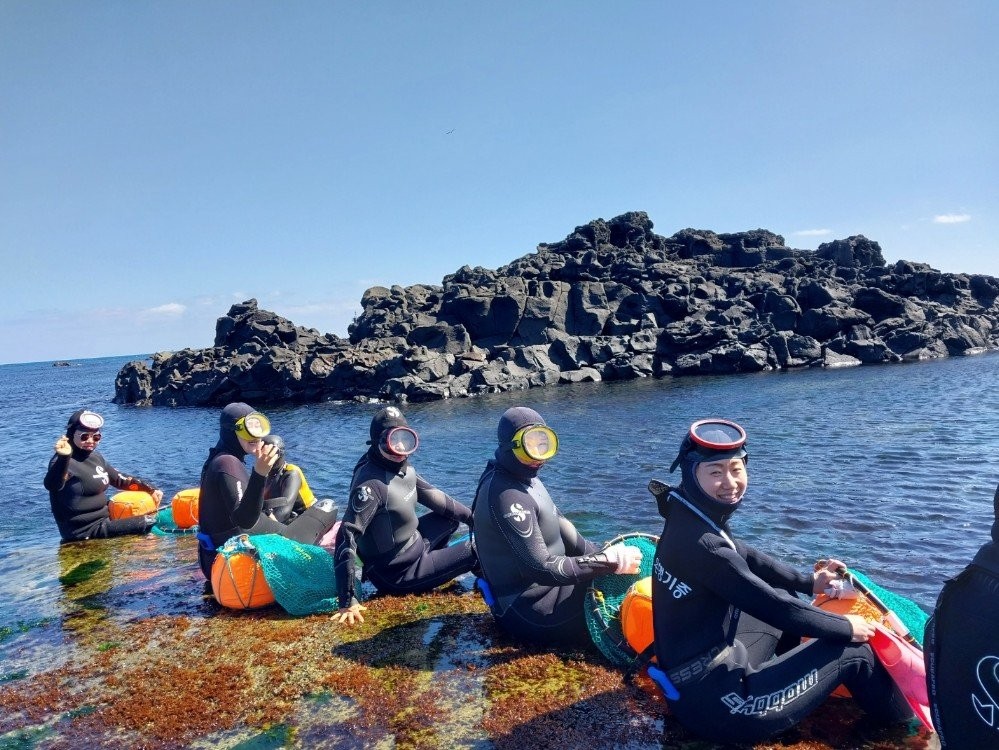
National Golden Week begins every year on 1 October and is one of China’s longest and most stable public holidays. It is widely regarded as the “super holiday” with the strongest travel intent of the year. The timing aligns with the start of the global dive high season, offering favourable weather and stable sea conditions, making Golden Week one of the largest travel periods for Chinese divers in both scale and destination coverage.
The official break is typically 7-8 days and supports multiple travel styles, including FIT travellers, families, and group tours. The longer duration naturally raises expectations for itinerary richness, while price sensitivity decreases as travellers become more willing to pay for quality experiences.
Golden Week dive travel also shows pronounced peak characteristics: broad traveller segments, varied travel needs, and longer stays of around 7-10 days. Travellers aim to fit more experiences into one holiday, placing higher demands on a destination’s activity variety, diving quality, and itinerary flexibility. Planning begins much earlier than for other holidays - although most Chinese travellers book 1–3 months ahead, Golden Week inquiries often start six months or more in advance due to limited availability.
Product Recommendations
1. Introduce combination itineraries
With ample time available, travellers seek richer and more varied holiday structures. Partner with nearby resorts or operators to create combinations such as “diving + island leisure,” “diving + light adventure,” or “diving + cultural experiences,” making a 7+ day stay more fulfilling.
2. Start market pre-warming early
Golden Week has one of the earliest booking cycles in China, with interest often starting soon after Chinese New Year. Launch promotions for the Chinese market early and offer value-added incentives for early bookings, such as free nitrox, complimentary activities, or airport transfers, to improve conversion and secure travellers ahead of peak season.
3. Maintain transparent pricing advantages
October is off-peak for many overseas destinations, so Golden Week prices that align with normal-season rates are highly appealing to Chinese travellers. If price adjustments are necessary, explaining the reasons upfront builds trust and reinforces a sense of transparent, reliable spending.

Other High-Value Holiday Periods
In addition to the three major national holidays, several smaller but stable periods also show clear demand patterns. These windows can provide meaningful supplemental bookings and help smooth occupancy outside traditional peaks.
Summer Vacation (July–August)
As the longest continuous break of the year, summer is a prime period for family travel and youth dive certifications. Students have abundant time, and family budgets generally remain steady, making this the strongest season for “certification + family diving.” Operators offering training programs or family-friendly products can capture significant demand.
Major Western Holidays
A large number of Chinese live overseas and naturally follow the public holiday calendars of their resident countries. Western holidays such as Easter, Christmas, and Thanksgiving therefore create strong travel windows for this segment. These travellers generally show consistent outbound habits, higher spending power, and a preference for early planning. Leveraging these periods helps broaden audience reach beyond Mainland China and boosts occupancy during months that fall outside the traditional Asian travel peaks.
Case Studies: High Returns from Early Planning
Our data and partnership experience consistently show that suppliers who understand the rhythm of the Chinese market and prepare early tend to achieve significant growth during peak seasons. The following two cases illustrate how “product optimisation + advance marketing” can directly translate into strong Golden Week performance.
Spirit of Maldives
Ahead of Golden Week, we worked with the team to run a concentrated campaign, including homepage promotion, Xiaohongshu content marketing, and clear refinement of key selling points. During the Golden Week cycle, the vessel rapidly gained attention and became a popular choice, with a notable increase in bookings. This case shows that even a new product can perform exceptionally well by capturing the pre-holiday marketing window.
Lembongan Dream Dive Resort
During Golden Week, Chinese divers show a strong preference for richer, more varied itineraries. Based on this insight, we partnered with a local supplier to create a seamless Lembongan–Tulamben combination, enabling guests to experience different waters and dive styles within the same holiday. The package was well received upon launch and delivered a noticeable uplift in Golden Week bookings, highlighting the strong appeal of combination-style products.
Both cases point to the same principle: in China’s highly competitive peak seasons, early product and marketing preparation, guided by partners who understand local demand, plays a decisive role in securing strong bookings.
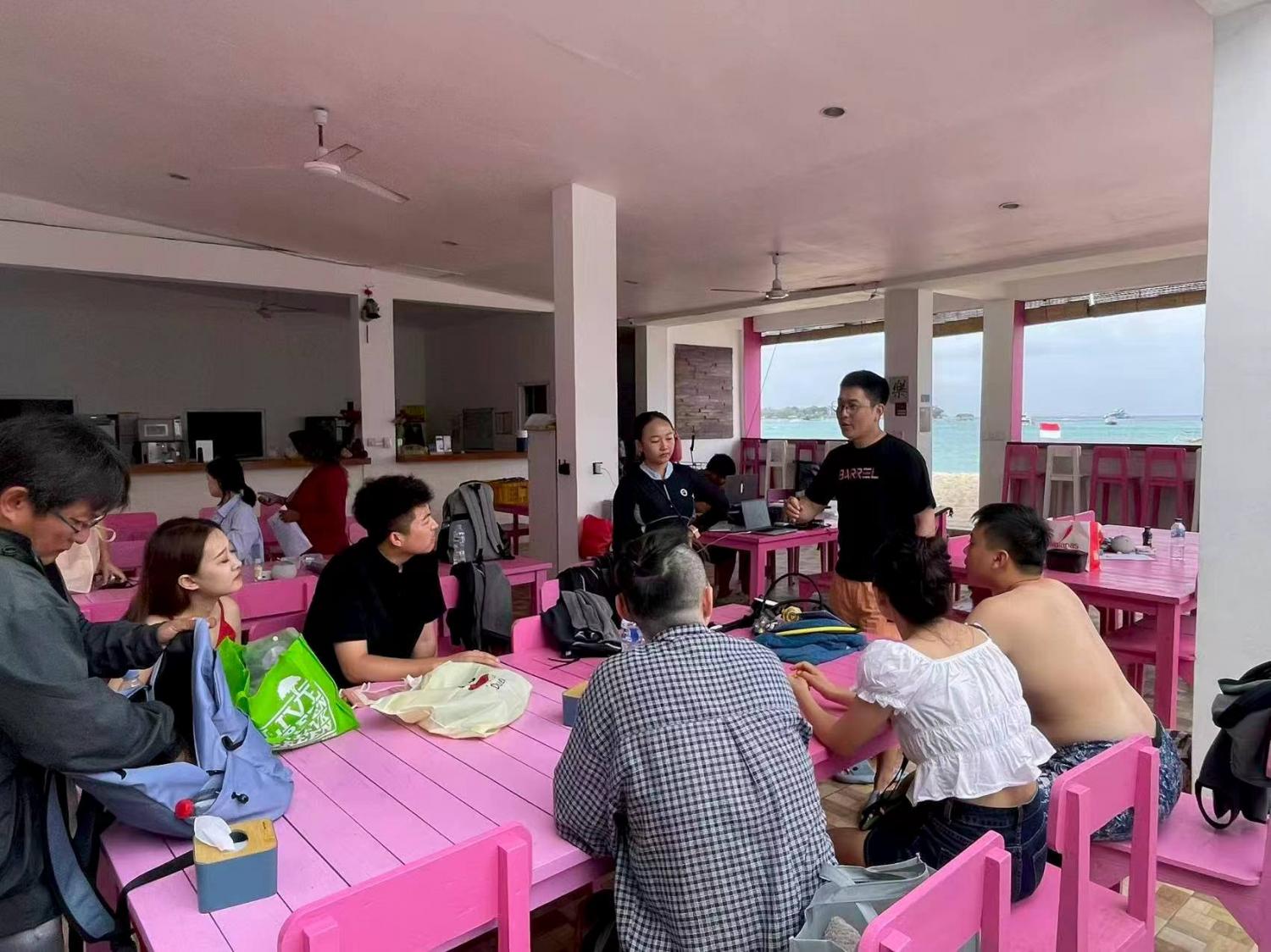
As this year’s Golden Week concludes, the industry’s focus now shifts to the next growth cycle: the 2026 Chinese New Year (Feb 15-23) and May Day Holiday (May 1-5), two of the most important demand windows for the dive market. The rhythm of Chinese outbound travel is clear, opportunities are concentrated, and competition is intense; the earlier you understand these patterns and adjust your product strategy, the greater your chance of standing out during the peak season.
If you need insights or suggestions while planning your CNY or May Day products, feel free to contact us. We’ll share practical, data-driven advice to help you capture the next wave of growth from the Chinese market.
Data Source: 统计数据_国家移民管理局, 2025年国庆中秋假期国内出游8.88亿人次