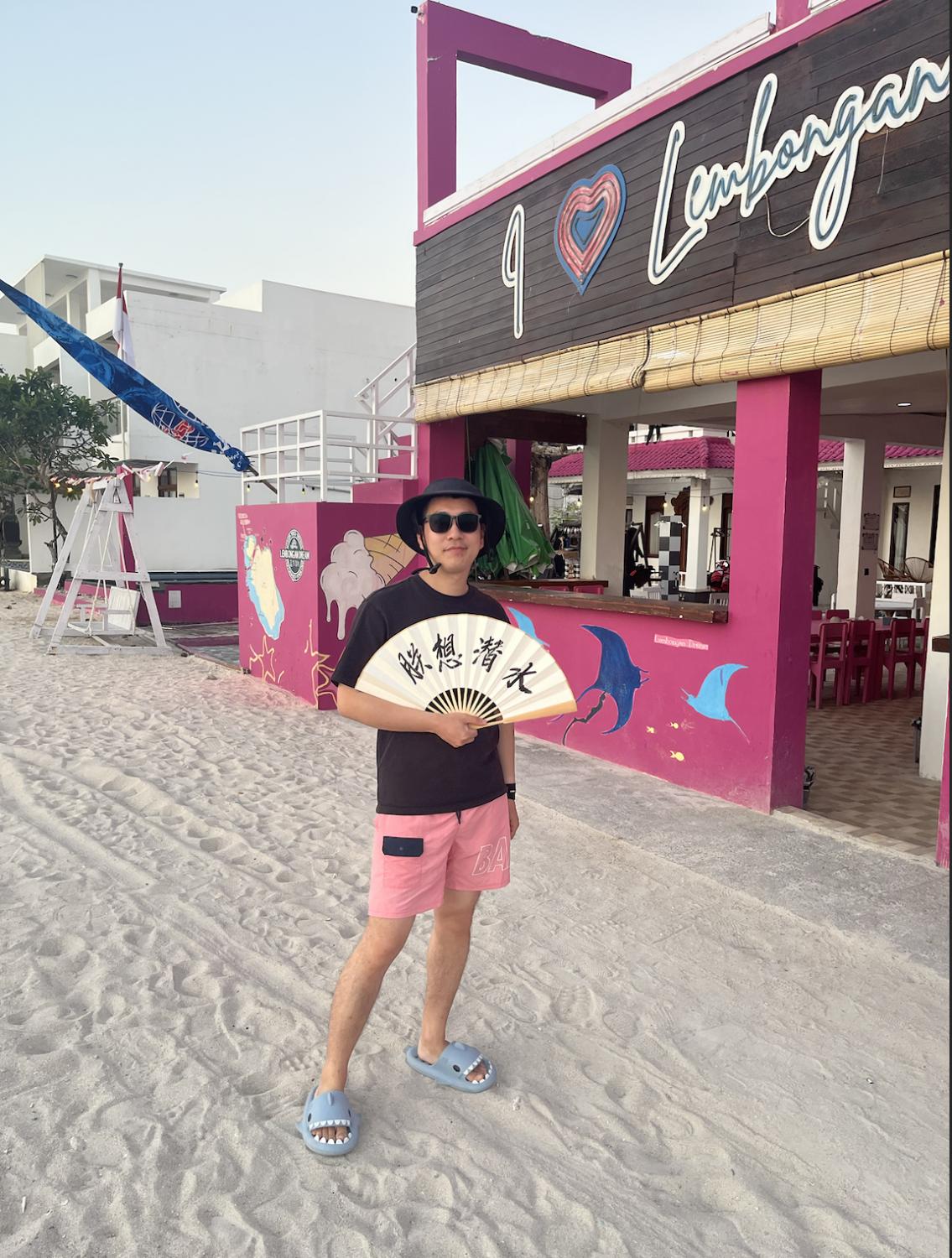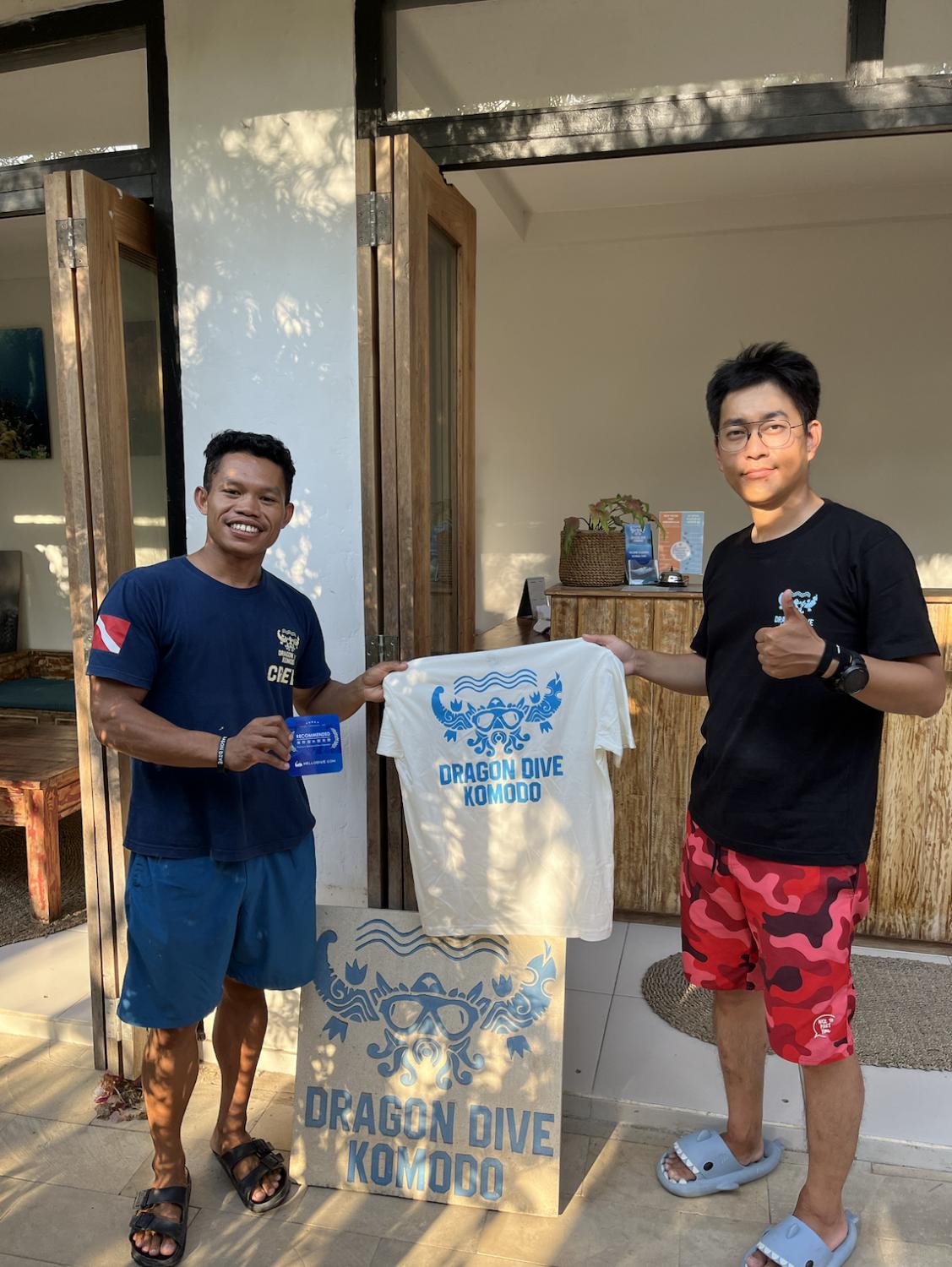
During his travels, Jiahao gathered several insightful observations that we would like to share. We hope these points provide inspiration for your upcoming business planning:
Why has “Nusa Lembongan + Tulamben” become the "golden duo"?
Last year, HelloDive’s backend data showed that this combined package was exceptionally popular. After touring the region, Jiahao found that this trend is no accident; rather, it’s a result of the "magic balance" these two locations strike between diving and lifestyle.
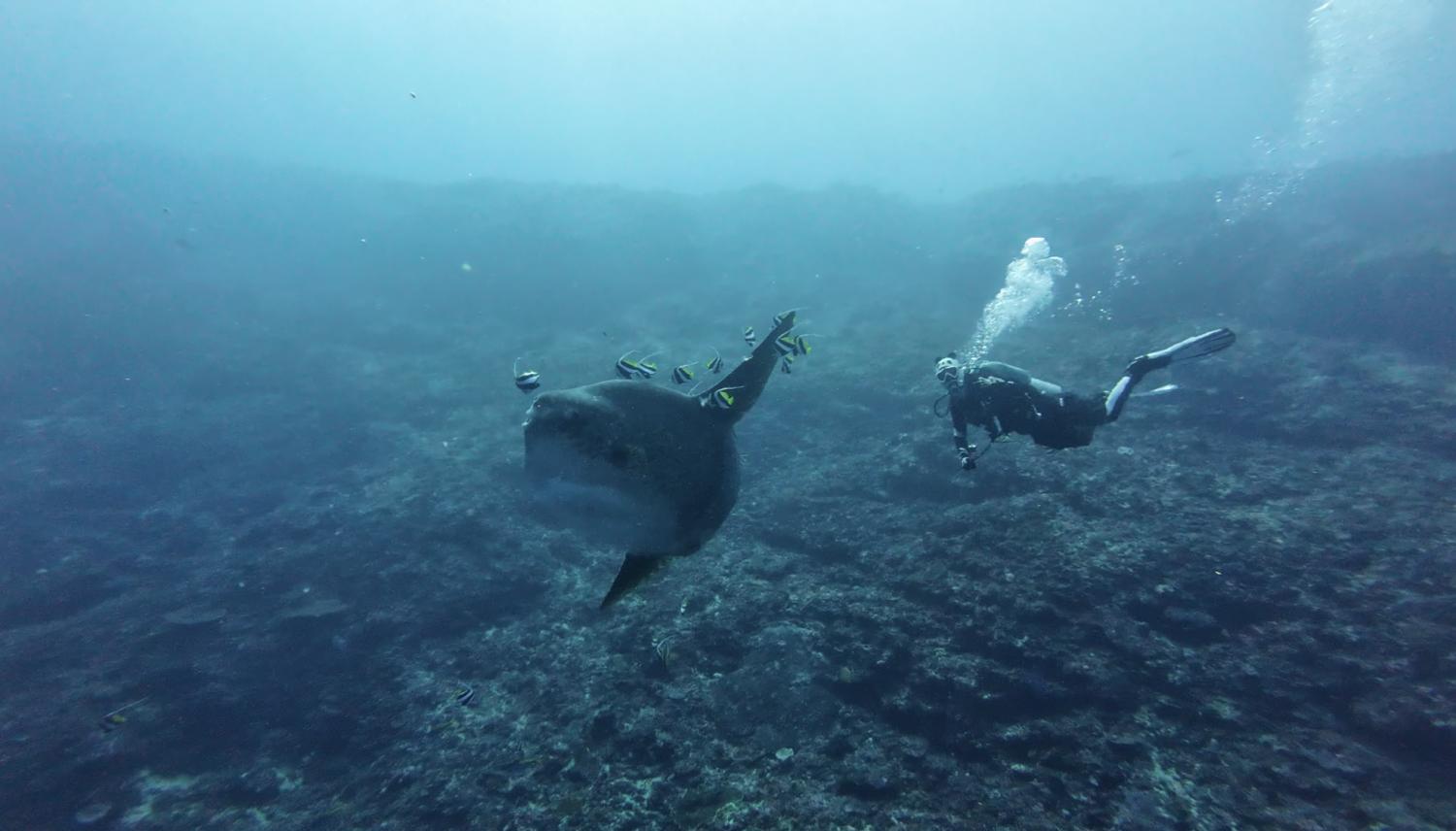
Lembongan focuses on "the big stuff" and drift diving, while Tulamben specializes in macro and wrecks. Jiahao believes this combination prevents monotony, as divers experience two completely different underwater landscapes in a single trip.
On land the differences are subtle but significant. Lembongan offers more scenic boutique stays and Western dining, whereas Tulamben has a cluster of mature Chinese-speaking dive centers and Chinese restaurants.
For Chinese guests, this "one stop for luxury, one stop for hardcore diving" rhythm is very comfortable. Jiahao noted that being able to have a hot, authentic Chinese meal in the second half of the trip is a psychological "killer feature" for generating positive reviews. Furthermore, using Tulamben’s relaxed shore diving as a finale provides a perfect buffer after the physical exertion of Lembongan's drifts.
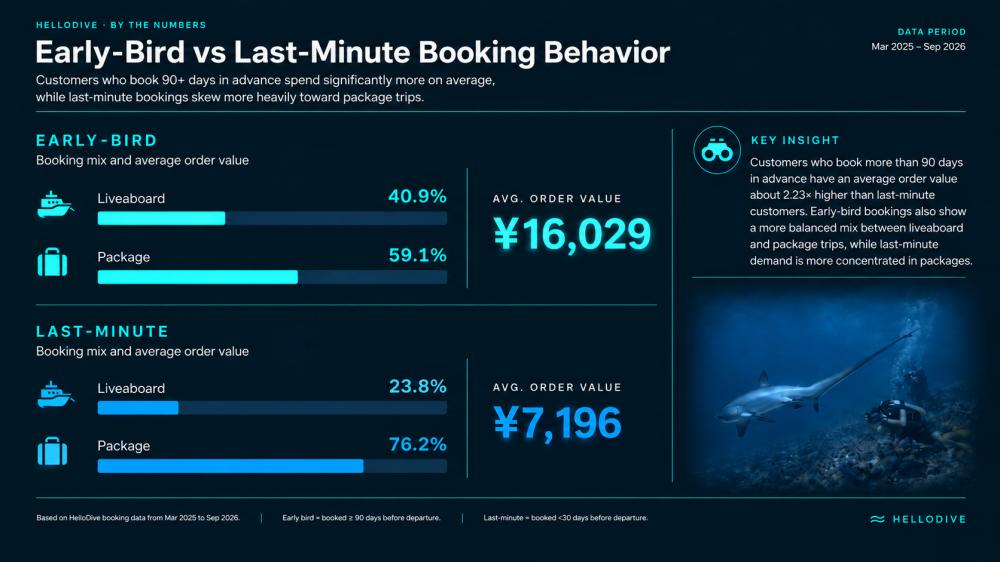
Suggestion for Partners: No matter where your dive site is located, try to find nearby partners with "complementary attributes." This complementarity shouldn't just be underwater (e.g., Big Fish + Macro), but also in lifestyle (Luxury Stays + Hardcore Diving) or culinary culture. If you specialize in hardcore experiences, consider adding a more relaxed, Chinese-friendly component at the end of the itinerary. Additionally, we recommend discussing your marketing plans with us at least one season in advance to capture peak holiday traffic.
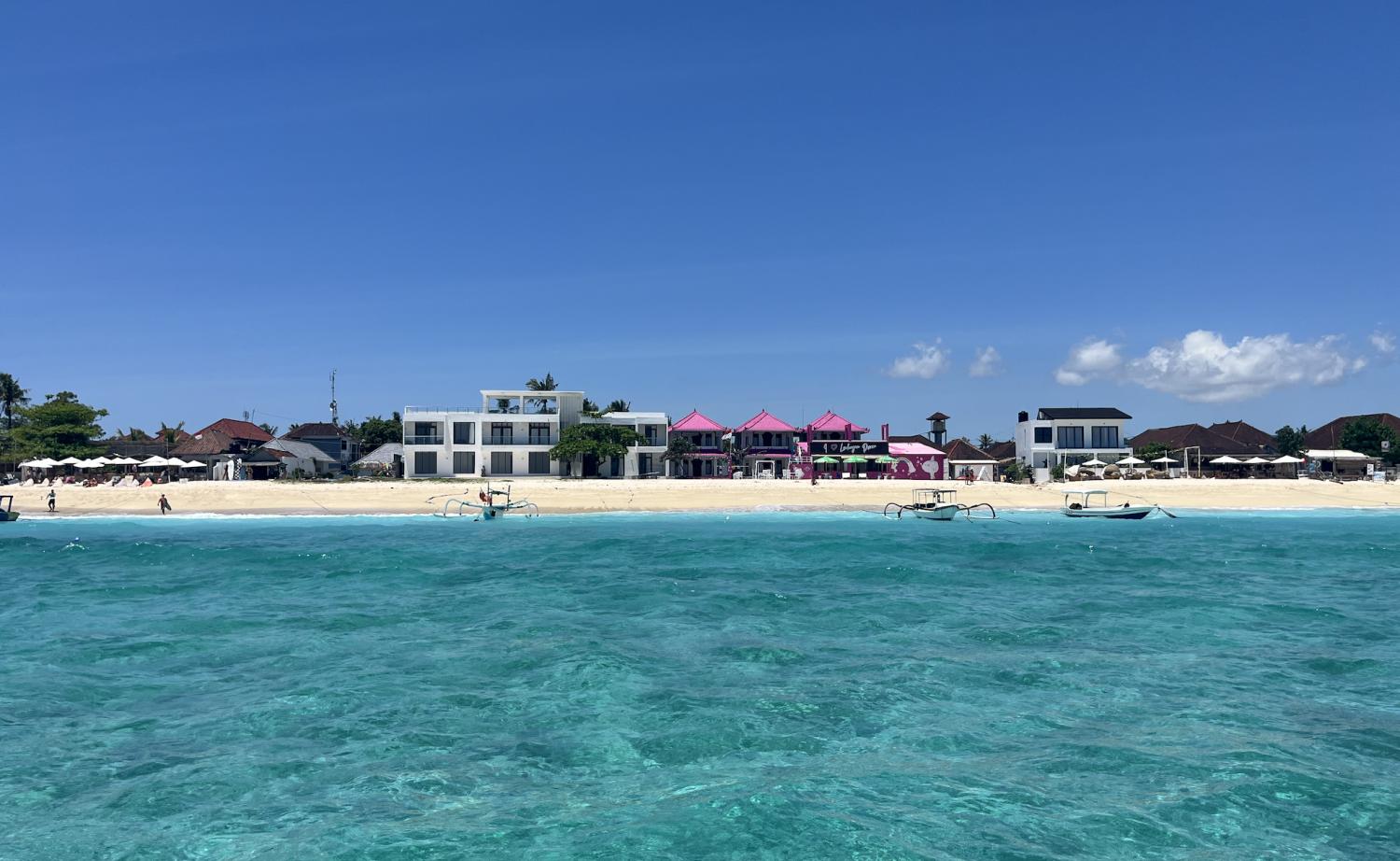
Transport convenience directly influences guest choices
Regarding island selection, Jiahao found that guests are far more sensitive to transportation than we might imagine. For example, although Nusa Penida’s "Instagrammable" spots are famous on social media, the poor road conditions and expensive local transport deter many people.
After experiencing it himself, Jiahao feels that "staying in Lembongan and taking a boat to dive Penida" remains the wiser choice. Meanwhile, for destinations like Gili T that require 3–4 hours of transfer time, many office workers with tight schedules will often give up on the idea during the comparison phase simply because they want to "avoid the hassle."
Suggestion for Partners: If your dive shop or resort is located in a relatively inconvenient area, "proactively solving the pain points" is the best marketing strategy. We suggest compensating for transport issues by offering complimentary or discounted airport transfers, inter-island shuttles, or "Diving + Accommodation + Private Car" bundles. Solving the "last mile" travel hurdle for guests can significantly boost your product's competitiveness.
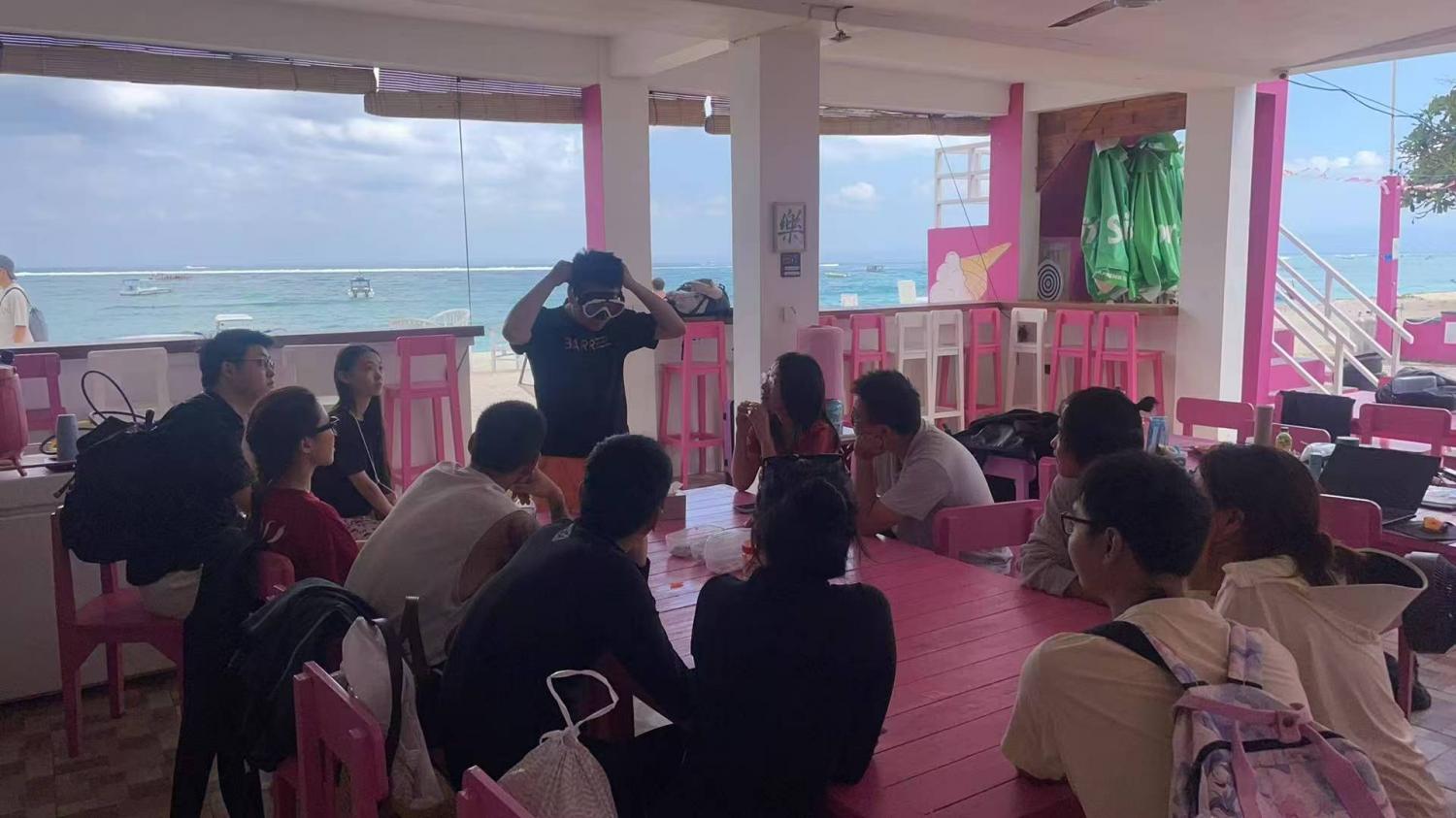
Adjusting product focus flexibly based on seasonal changes
After November, Indonesia enters the rainy season. The Mola Mola disappear, visibility drops, and the Fun Dive market in Bali enters its off-season. However, after touring the area, Jiahao returned to Bali in November and discovered a different opportunity: Training products! Compared to searching for big marine life, Tulamben’s stable, current-free environment—combined with lower off-season room rates—makes it ideal for promoting OW or AOW certification courses.
Suggestion for Partners: Dynamically adjust the weight of product selling points based on natural cycles to avoid product homogenization. Once the season for big marine life (like Manta or Sharks) ends, shift the marketing focus to topography diving, wreck exploration, or specialized courses and eco-friendly/charity diving events.
Regardless of the season, providing "Full Butler Service" (such as gear assembly and handling) remains the key to building a premium reputation among Chinese guests. Flexibly tapping into the "second life" of a dive site at different times of the year ensures steadier year-round revenue.
The rise of "land-based stays" in Komodo: a shift toward diversity
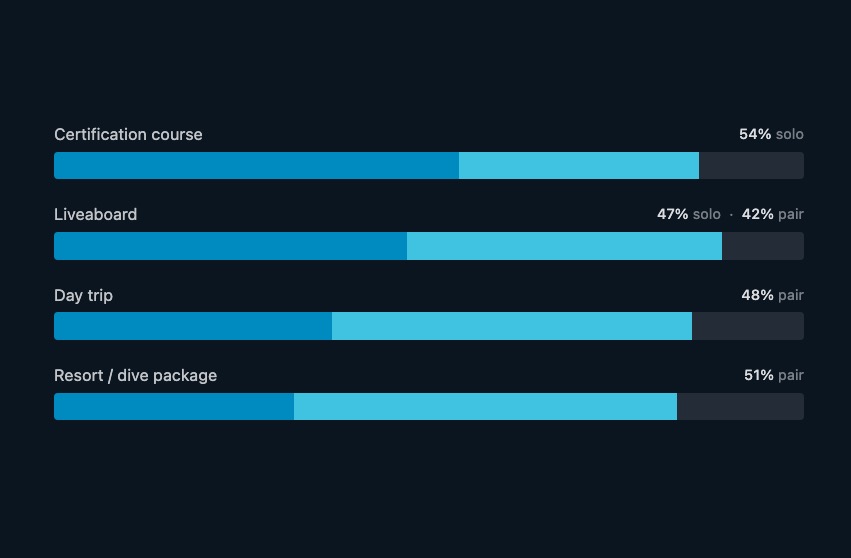
Komodo has traditionally been a paradise for liveaboard lovers, but Jiahao's field study revealed a clear trend: more Chinese divers are choosing land-based stays (Day Trips). This shift reflects a new pursuit of quality of life.
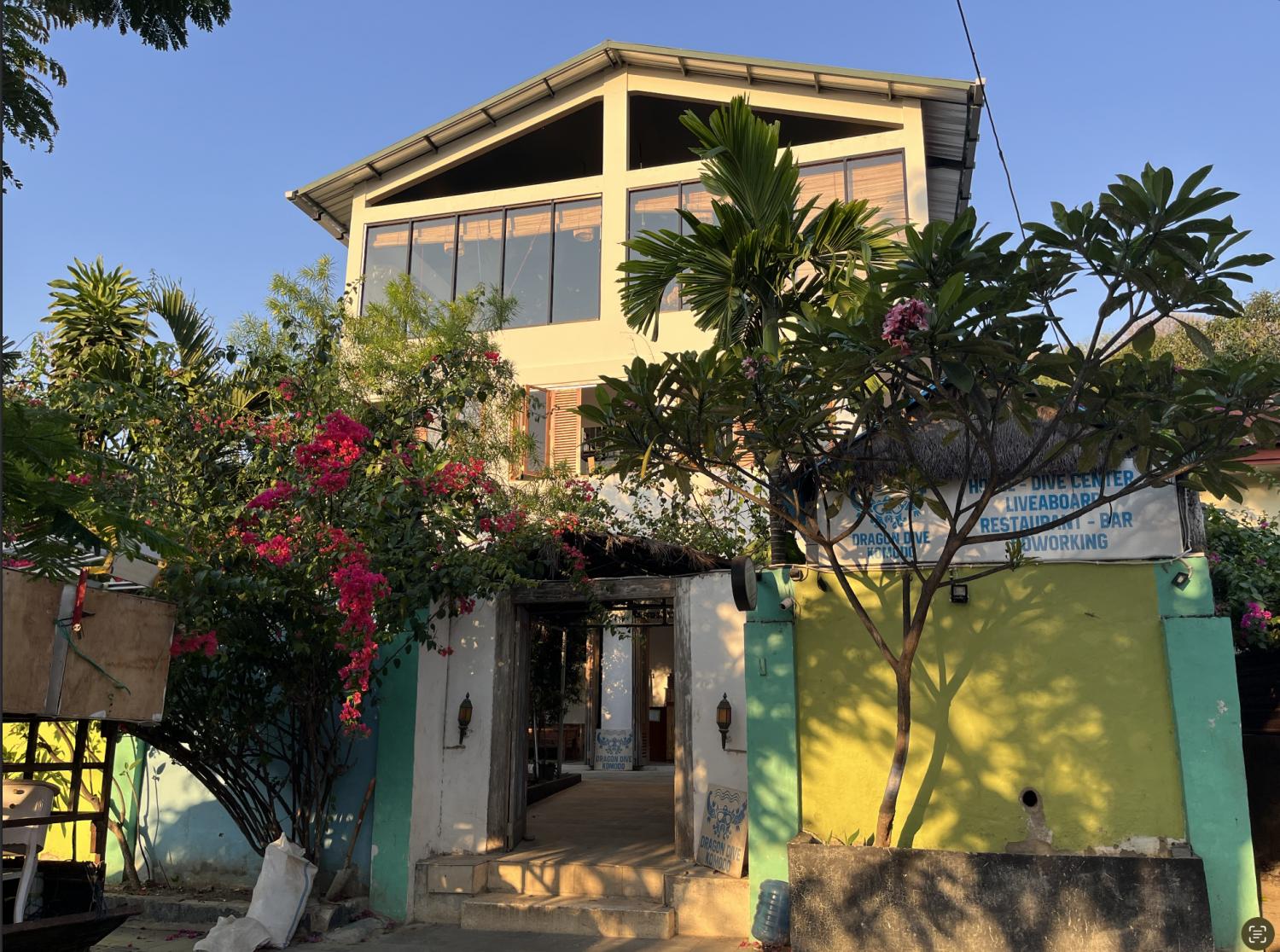
Today’s Labuan Bajo is no longer a desolate fishing village; with Starbucks, fish markets, and various scenic restaurants, it is full of "life and energy." Jiahao found that for young divers who dislike the confined space of a boat and value land-based social scenes and food—or for those traveling with families—the freedom of land-based stays is highly tempting. When combined with mature non-diving activities like Komodo Dragon tours and Pink Beach visits, these "lifestyle" add-ons often become the deciding factor in closing a sale.
Suggestion for Partners: This trend isn't just for Komodo; it's a lesson for any destination with mature land infrastructure:
For Land-Based Shops: Strengthen the "Diving + Lifestyle" combo. Highlight evening dining freedom and cultural experiences. For "Diver + Non-diver" pairs, design specific "Companion Packages" (e.g., land tours or SPAs while the partner dives) to resolve the diver's concerns.
For Liveaboards: In the face of land-based competition, liveaboards should focus on "differentiated living experiences." This could mean introducing food that caters better to Chinese palates or providing higher-specification cabin interiors. You can even leverage the boat's mobility to add exclusive experiences that land shops cannot provide, such as "Deserted Island Dinners" or "Beach Camping."
Conclusion
What Jiahao felt most deeply during these two months of field study is that Chinese divers' needs are becoming increasingly "pragmatic." They no longer look at vague, flashy advertisements; instead, they genuinely care whether the transport is smooth, the food is good, and the service is meticulous. As a partner, HelloDive is happy to share these insights, hoping that these authentic observations can help you optimize your products and increase sales. We look forward to seizing more opportunities together in 2026!